
Most people remember the first time cannabis surprised them.
Not because it was stronger — but because it was different.
One strain felt bright and social. Another felt grounding and heavy. One tasted citrusy and clean, while another leaned earthy or spicy. That’s usually the moment people realize cannabis isn’t just something you smoke — it’s something you can experience.
Cannabis connoisseurship is about slowing down enough to notice those differences. Like wine or coffee, cannabis has aroma, flavor, texture, and effect — and learning how to evaluate those elements can completely change how enjoyable (and intentional) your sessions feel.
What Cannabis Connoisseurship Really Means
Being a cannabis connoisseur doesn’t mean memorizing strain names or chasing hype.
It means paying attention.
Connoisseurship is the practice of noticing:
- How your flower smells before it’s ground
- How the smoke or vapor feels on your throat
- How flavors evolve from inhale to exhale
- How your body and mind respond over time
It’s less about potency and more about quality and balance — and anyone can learn it.
Step 1: Aroma — Your First Quality Signal
Before you light anything, smell it.
Aroma is one of the clearest indicators of cannabis quality because it reflects terpene content — the aromatic compounds that shape flavor and influence effects.
How to Smell Cannabis
- Gently break apart the flower (don’t grind yet)
- Inhale slowly through your nose
- Notice both the immediate scent and subtle undertones
Common Aroma Families
- Citrus (lemon, orange, grapefruit): often uplifting
- Pine / Herbal (forest, rosemary): clear, focused
- Earthy (soil, wood, mushroom): grounding
- Floral / Sweet (lavender, rose): calming
- Spicy / Gassy (pepper, diesel): stimulating or heavy
Fresh, layered aromas usually signal well-cured cannabis. Flat, dusty, or hay-like smells often point to poor curing or age.
Step 2: Flavor — More Than “Does It Taste Good?”
Flavor is where connoisseurship really starts to show.
High-quality cannabis often tastes the way it smells — and then keeps unfolding.
When smoking or vaping, ask yourself:
- Does the flavor match the aroma?
- Is it sharp or smooth?
- Do flavors linger on the exhale?
- Do they change after a few pulls?
If everything tastes harsh or burnt, it’s not your palate failing you — it’s usually the flower or how it’s burning.
Step 3: Smoke Feel Matters More Than You Think
One of the most overlooked aspects of cannabis evaluation is how the smoke feels.
Pay attention to:
- Throat irritation
- Immediate coughing
- Heat or sharpness on inhale
Harsh smoke doesn’t equal stronger effects. In fact, irritation often distracts from flavor and makes it harder to notice subtle differences between strains.
Smoothness allows you to actually taste cannabis — which is essential if you’re trying to evaluate quality.
How Bud Love Fits Into Cannabis Connoisseurship
True connoisseurship is about clarity — being able to notice aroma, flavor, and effects without distraction.
This is where Bud Love naturally fits into the conversation.
Bud Love isn’t cannabis and it isn’t meant to replace it. It’s a herbal mixer, designed to be combined with flower to support a smoother, more balanced experience.
Here’s how it complements cannabis tasting:
- Marshmallow leaf burns cooler and smoother than cannabis alone, which can reduce coughing and throat irritation — helping you focus on flavor instead of discomfort.
- CBG is a minor cannabinoid that many users find helps balance THC, supporting a calmer, clearer experience without dulling effects.
- Natural terpenes are selected to enhance aroma and flavor rather than overpower it.
For people exploring cannabis connoisseurship, Bud Love can function like a palate aid — softening harsh edges so aroma, flavor, and effects are easier to notice and evaluate. Many users also find that mixing helps them use less flower while enjoying the experience more intentionally.
Step 4: Evaluating Effects Over Time
Connoisseurship doesn’t stop once you exhale.
Instead of asking “How high did I get?”, try noticing:
- How quickly effects begin
- Whether the experience feels mental, physical, or both
- Mood changes (calm, social, focused, introspective)
- Whether anxiety or tension appears
- How long the experience lasts
Modern cannabis is often very THC-heavy, which can overwhelm subtle effects. Balanced experiences tend to be easier to evaluate — and more enjoyable — especially if you’re trying to understand what different strains actually do for you. And adding Bud Love helps balance things, by providing more CBG to complement the THC.
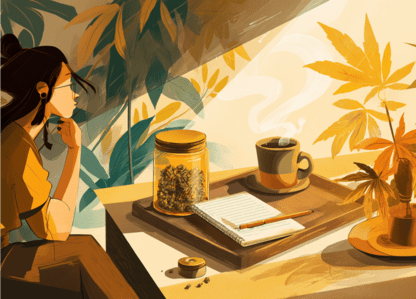
Step 5: Create a Simple Cannabis Tasting Ritual
Borrow a page from wine tasting culture.
To build your palate:
- Try one strain at a time
- Keep your environment consistent
- Use the same consumption method
- Take a few notes: aroma, flavor, smoothness, effects
Over time, patterns emerge. You’ll start recognizing which terpene profiles and effects suit your lifestyle — not just what sounds good on a label.
Quality Is Personal — and That’s the Point
Cannabis connoisseurship isn’t about chasing the strongest flower or the rarest genetics. It’s about understanding what quality feels like to you.
When you pay attention to aroma, flavor, smoothness, and effects, cannabis becomes less about excess and more about intention. Sessions feel calmer, more enjoyable, and more aligned with how you actually want to feel.
That’s when cannabis shifts from consumption to ritual — and that’s where connoisseurship really begins.
––This article comes to you from the Bud Love team