

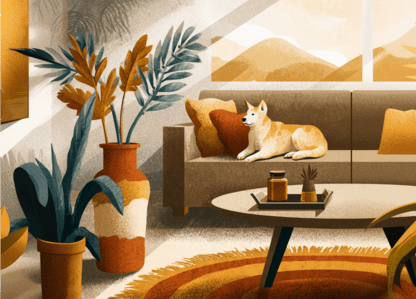
If you share your space with a dog or cat, you’ve probably noticed something: they’re always nearby.
On the couch. At your feet. Curious about whatever you’re doing—especially when it involves something new, like preparing a cannabis session.
As cannabis becomes more normalized in adult life, more pet owners are asking a simple question: how does this affect my animals?
The short answer is that pets and cannabis don’t mix in the same way humans and cannabis do. Animals process cannabinoids differently, and what feels mild to a person can be overwhelming—or even harmful—to a pet.
That doesn’t mean cannabis has no place in conversations about pet care. But it does mean awareness, boundaries, and caution matter.
Do Pets React to Cannabis?
Yes—very differently than humans.
Dogs and cats have an endocannabinoid system (ECS), just like humans. This system helps regulate functions like mood, appetite, and sleep. However, animals—especially dogs—have a higher concentration of cannabinoid receptors in certain parts of the brain, which can make them more sensitive to compounds like THC.
This means even small amounts of THC can lead to noticeable effects in pets.
THC vs. CBD: A Critical Distinction
When people talk about cannabis and pets, it’s important to separate two key compounds:
THC (tetrahydrocannabinol)
- The primary psychoactive compound in cannabis
- Can cause disorientation, lethargy, or distress in pets
- Not recommended for animals
CBD (cannabidiol)
- Non-intoxicating
- Often explored in veterinary contexts for calming or discomfort support
- Available in pet-specific products (with no THC)
While research into CBD for pets is ongoing, many veterinarians and pet owners approach it cautiously and only with products specifically formulated for animals.
Can Cannabis Help Pets?
This is where nuance matters.
There is growing interest in whether cannabinoids—especially CBD—may support pets experiencing:
- anxiety (e.g., thunderstorms, separation)
- age-related discomfort
- general stress.
However, the scientific research is still developing, and results vary. Because of this, it’s important to:
- Consult a veterinarian before introducing any cannabinoid product
- Avoid giving pets human cannabis products
- Use only pet-specific, clearly labeled formulations.
In short: while there may be potential, cannabis is not a DIY solution for pet care.
The Real Risk: Accidental Exposure
The most common issue involving cannabis and pets isn’t intentional use—it’s accidental ingestion or exposure.
Pets are curious. Edibles smell appealing. A dropped joint or unattended stash can easily become a problem.
Common risks include:
- Eating cannabis-infused foods (especially those containing chocolate or sweeteners)
- Ingesting raw flower
- Breathing in secondhand smoke in enclosed spaces
Because pets are more sensitive to THC, even small exposures can lead to symptoms.
Signs of Cannabis Exposure in Pets
If a pet has been exposed to cannabis, signs may include:
- unsteady movement or lack of coordination
- unusual lethargy or drowsiness
- confusion or agitation
- drooling or vomiting
- sensitivity to sound or light.
If you notice these symptoms and suspect cannabis exposure, it’s important to contact a veterinarian promptly.
Smoking Around Pets: What to Consider
If you’re a cannabis consumer and a pet owner, the goal isn’t to eliminate your routine—it’s to adjust it thoughtfully.
Best practices include:
Avoid enclosed spaces Smoke or vape in well-ventilated areas or outdoors when possible.
Keep distance Don’t blow smoke near your pet or allow them to sit directly in the path of inhalation.
Store everything securely Keep flower, edibles, and accessories out of reach.
Be mindful of residue Ash, roaches, and leftover material can still pose a risk if ingested.
Where Bud Love Fits Into a Pet-Friendly Routine
Bud Love is designed to complement cannabis for adult users—but like cannabis itself, it is not intended for pets.
That said, many pet owners look for ways to make their own sessions smoother and more contained, especially in shared living spaces.
Bud Love is a herbal mixer made from marshmallow leaf, hemp-derived CBG, and natural terpenes. When combined with cannabis, it can help create a more balanced and smoother smoking experience.
For pet owners, this can support:
- Less coughing, which often means calmer, quieter sessions
- More controlled consumption, using less cannabis while maintaining the experience
- A more relaxed atmosphere, rather than intense or abrupt sessions.
While Bud Love doesn’t change how pets process cannabis, it can help adult users create a more mindful and controlled environment around their own consumption.
Creating a Pet-Conscious Cannabis Routine
Living with pets doesn’t mean giving up your cannabis ritual. It just means being more intentional about how and where it happens.
A few simple habits go a long way:
- Choose designated areas for consumption
- Ventilate your space
- Store products safely and consistently
- Keep sessions separate from your pet’s immediate environment.
These small adjustments help ensure that cannabis remains part of your experience—not theirs.
Respecting the Difference
Cannabis affects every human differently—and animals even more so.
What feels relaxing or enjoyable to you can feel confusing or overwhelming to a pet. That’s why the most important approach is simple: keep cannabis use clearly separate from your pet’s world.
As cannabis becomes more integrated into everyday life, thoughtful habits matter more than ever—especially in homes shared with animals.
Because a good session isn’t just about how you feel.
It’s about making sure everyone around you feels safe, too.
––This article comes to you from the Bud Love team